
Sak Yant (สักยันต์) tattoos are traditional Thai sacred tattoos created using ancient yantra designs, Pali and Khmer script, and symbolic imagery. Each Sak Yant carries a specific meaning and purpose, traditionally believed to offer protection, guidance, strength, authority, or spiritual grounding.
The word “Sak” means tattoo, while “Yant” refers to a sacred geometric diagram or spiritual formula. Together, Sak Yant represents the tattooing of sacred symbols that follow strict traditional structures passed down for centuries.
Historically, Sak Yant tattoos were applied by monks and Ajarns to warriors, monks, and laypeople seeking spiritual discipline or protection. Today, Sak Yants are most commonly performed in professional tattoo studios by experienced Ajarns or artists, using either traditional bamboo or modern machine methods, while preserving the original meaning and structure of each design.
This page serves as a reference guide to the meanings, symbolism, and traditional understanding of Sak Yant tattoos.
Sak Yant Meaning: Traditional Thai Sacred Tattoos Explained
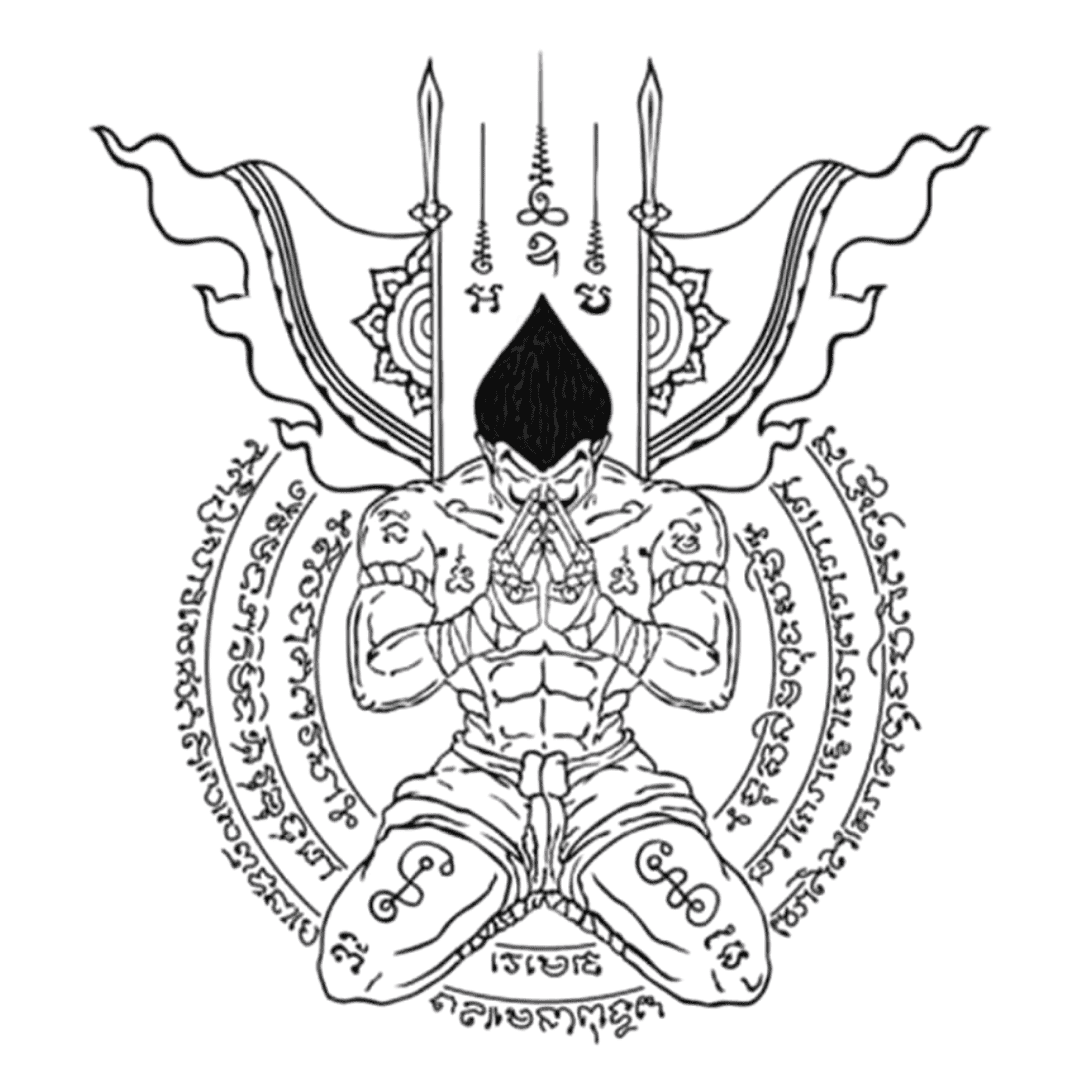
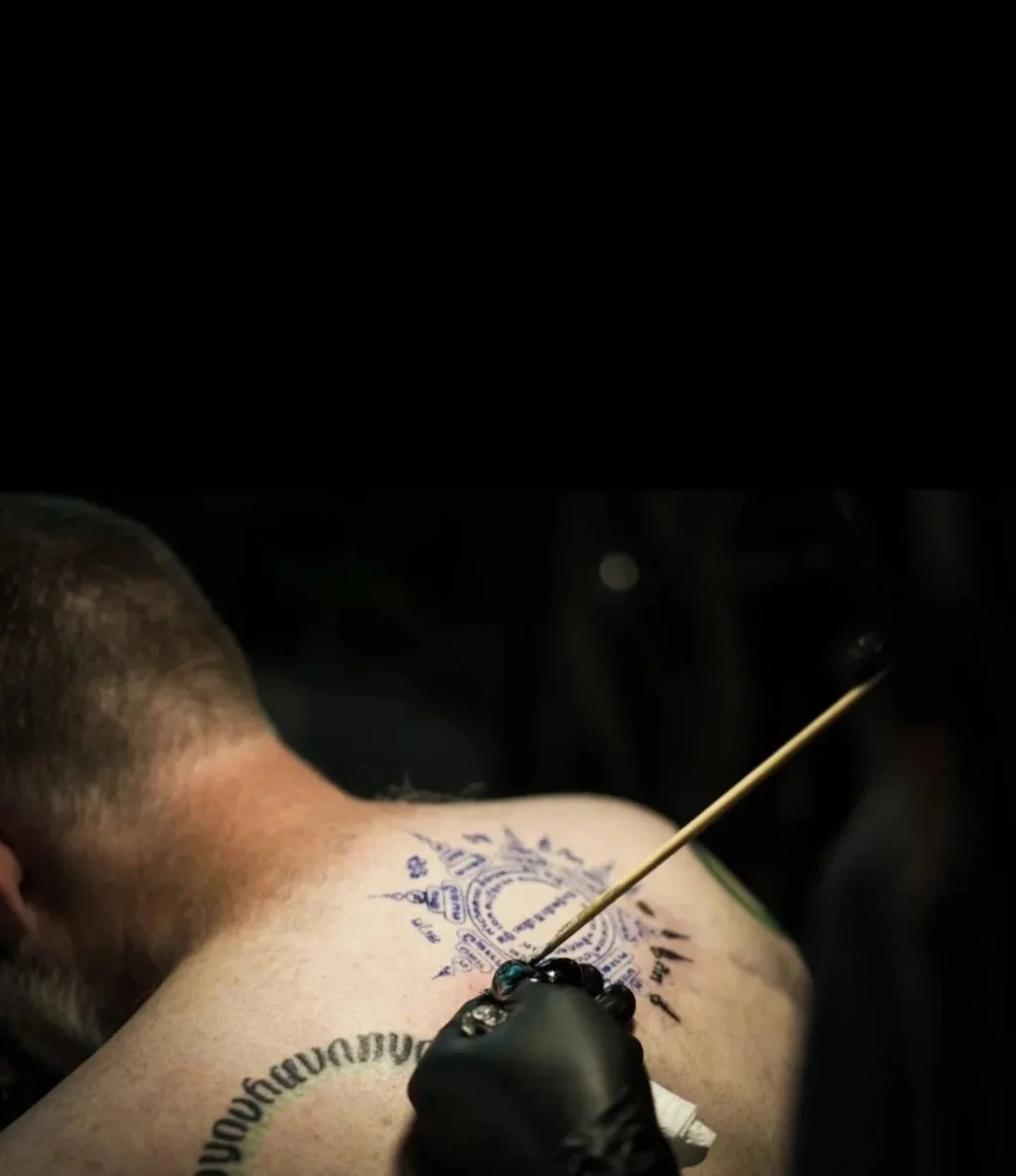
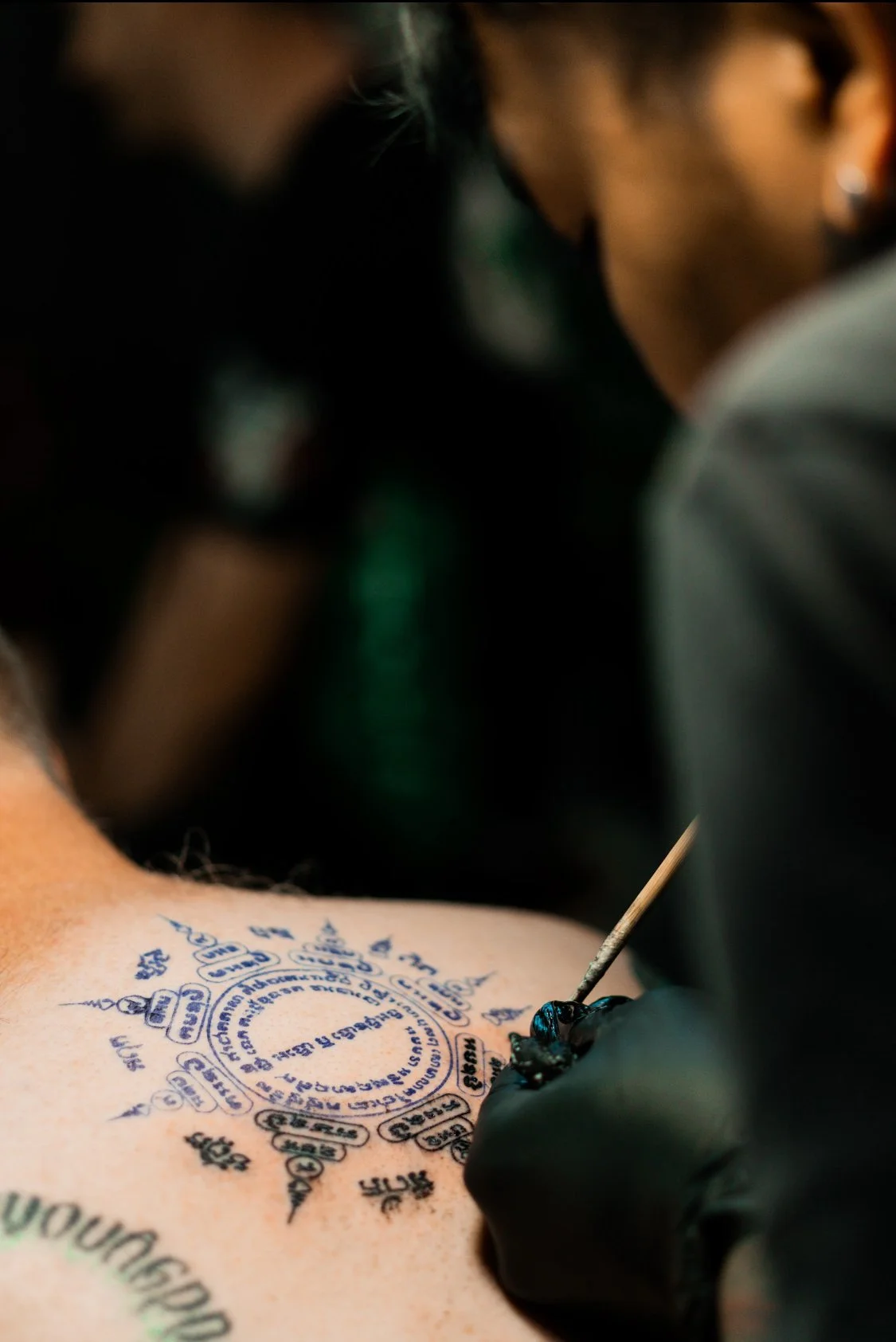
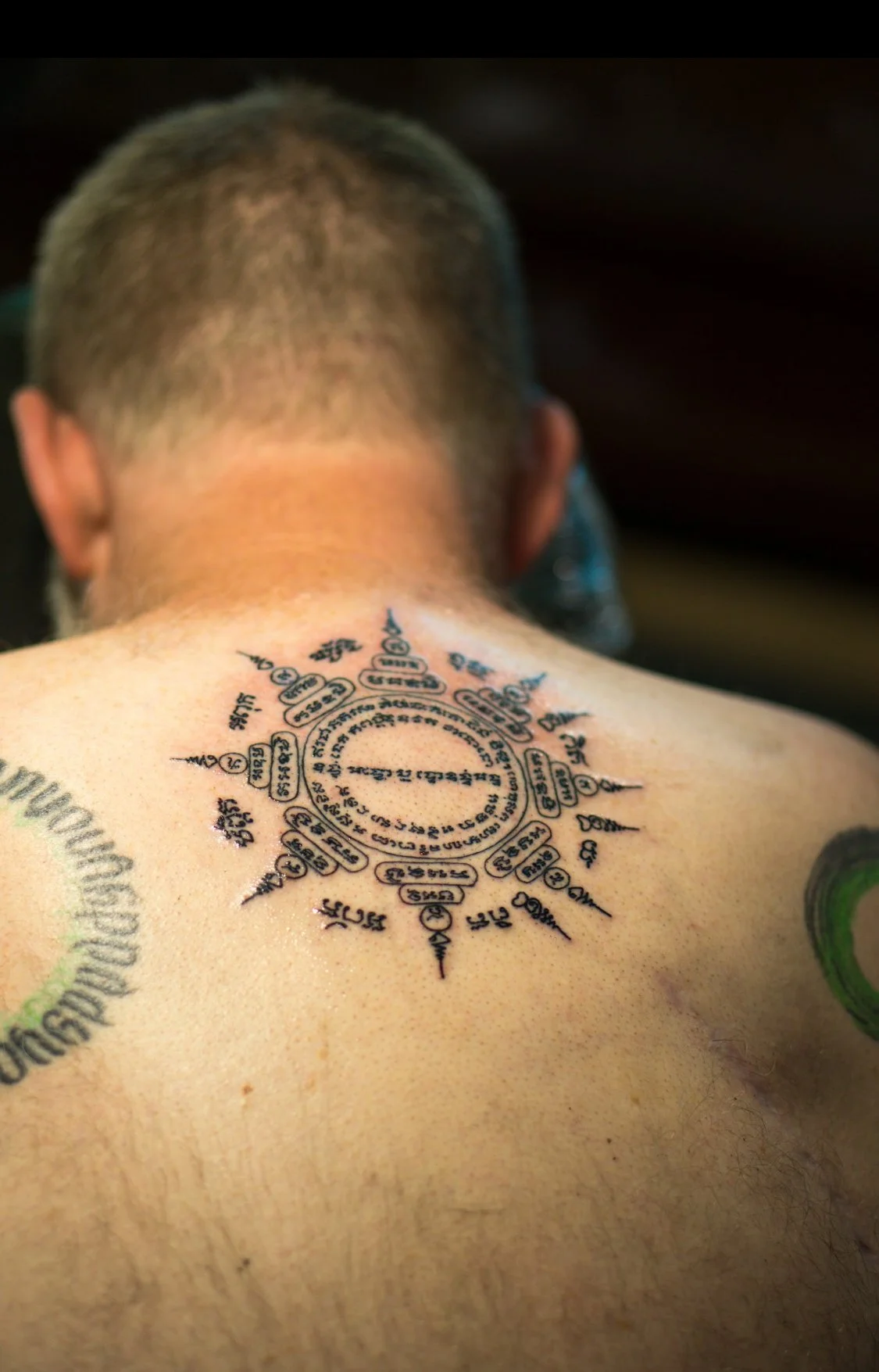
Sak Yant: Spiritual Discipline, Intention, and Responsibility
Sak Yant tattoos are rooted in spiritual discipline rather than superstition. While early yantra traditions in Southeast Asia predate Buddhism, Sak Yant practice in Thailand evolved into a system guided by Buddhist ethics, intention, and personal responsibility.
Rather than promising supernatural power or invincibility, Sak Yants are traditionally understood as supports for moral conduct, mental focus, and spiritual protection. The effectiveness of a Sak Yant is believed to depend on the behavior and discipline of the wearer, including respect for others, self-control, and ethical living.
Each Sak Yant is associated with specific qualities — such as protection, stability, authority, compassion, or restraint — and is traditionally activated through a blessing that reinforces intention rather than force.
Historically, Sak Yants were worn by warriors and officials, but their purpose was not domination over others. Instead, they served as reminders of duty, courage, and restraint in times of responsibility or danger.
Today, Sak Yant tattoos continue to be chosen by individuals seeking grounding, protection, and clarity during important phases of life, rather than mystical guarantees or spectacle.

Is a Sak Yant Right for You?
In recent years, Sak Yant tattoos have gained recognition far beyond Thailand, drawing people from around the world who travel specifically to receive them in their place of origin. For many, this journey is not about trends or aesthetics, but about engaging with a living spiritual and cultural tradition.
Choosing to receive a Sak Yant is a personal decision that should be guided by intention, respect, and self-reflection. Unlike conventional tattoos, Sak Yants are rooted in belief systems that emphasize meaning, conduct, and spiritual alignment. People are drawn to Sak Yant tattoos for several key reasons:
Spiritual Connection
Sak Yant tattoos are grounded in ancient spiritual practices that combine sacred geometry, mantras, and blessings. For those seeking protection, guidance, or inner balance, a Sak Yant can act as a symbolic commitment to spiritual discipline and personal growth.
Cultural Respect and Appreciation
Many individuals choose Sak Yant as a way to engage with Thai culture and history in a meaningful way. When approached with humility and understanding, receiving a Sak Yant can be an expression of respect for traditions that have been preserved for centuries.
Personal Intention and Meaning
Each Sak Yant design carries specific purposes, such as protection, strength, success, authority, or harmony. Selecting a Yant that aligns with one’s values or life path gives the tattoo personal significance beyond its visual form.
A Meaningful Marker of Experience
For some visitors to Thailand, a Sak Yant becomes a lasting reminder of a transformative period or journey. Rather than a souvenir in the conventional sense, it represents an experience tied to intention, memory, and respect for the tradition behind it.
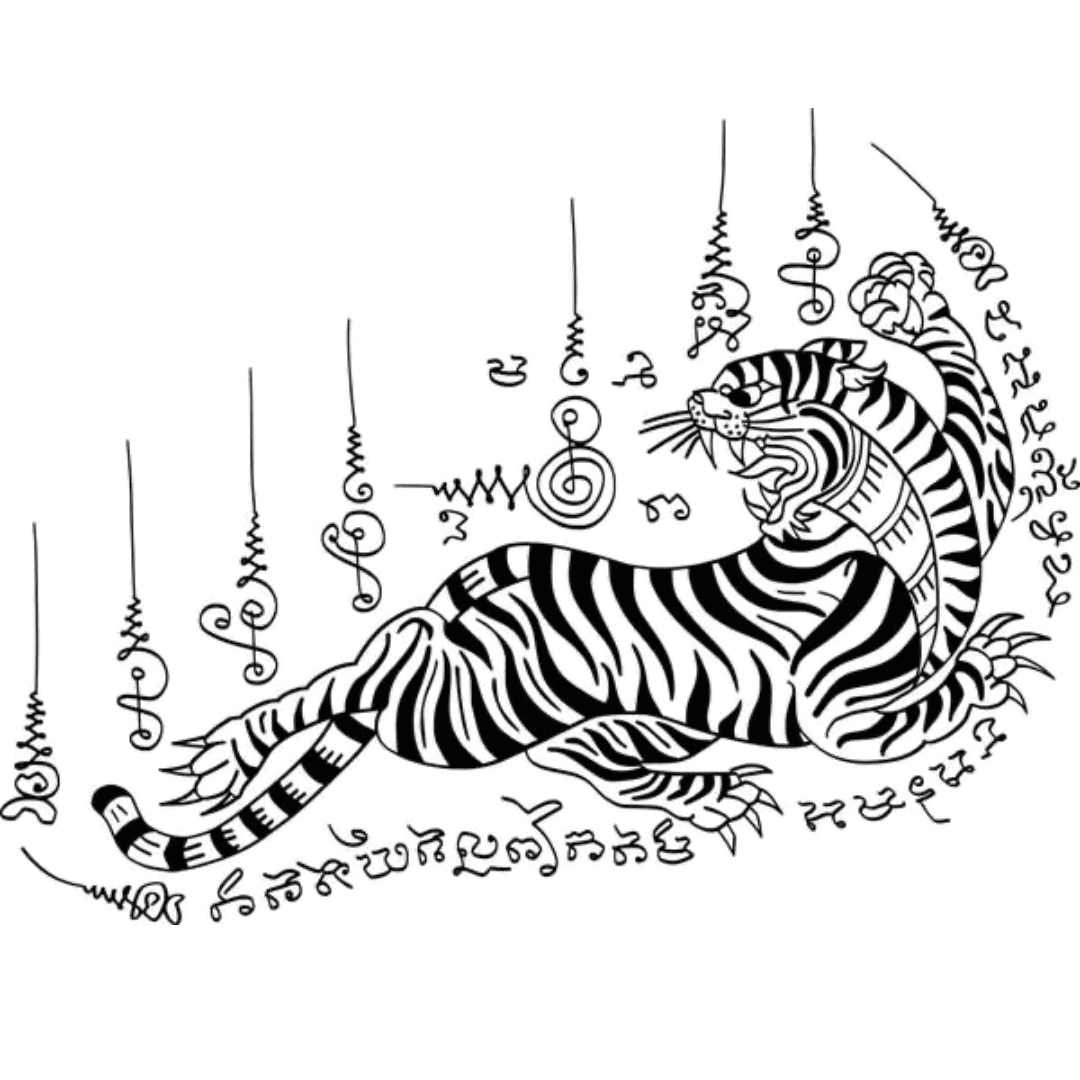
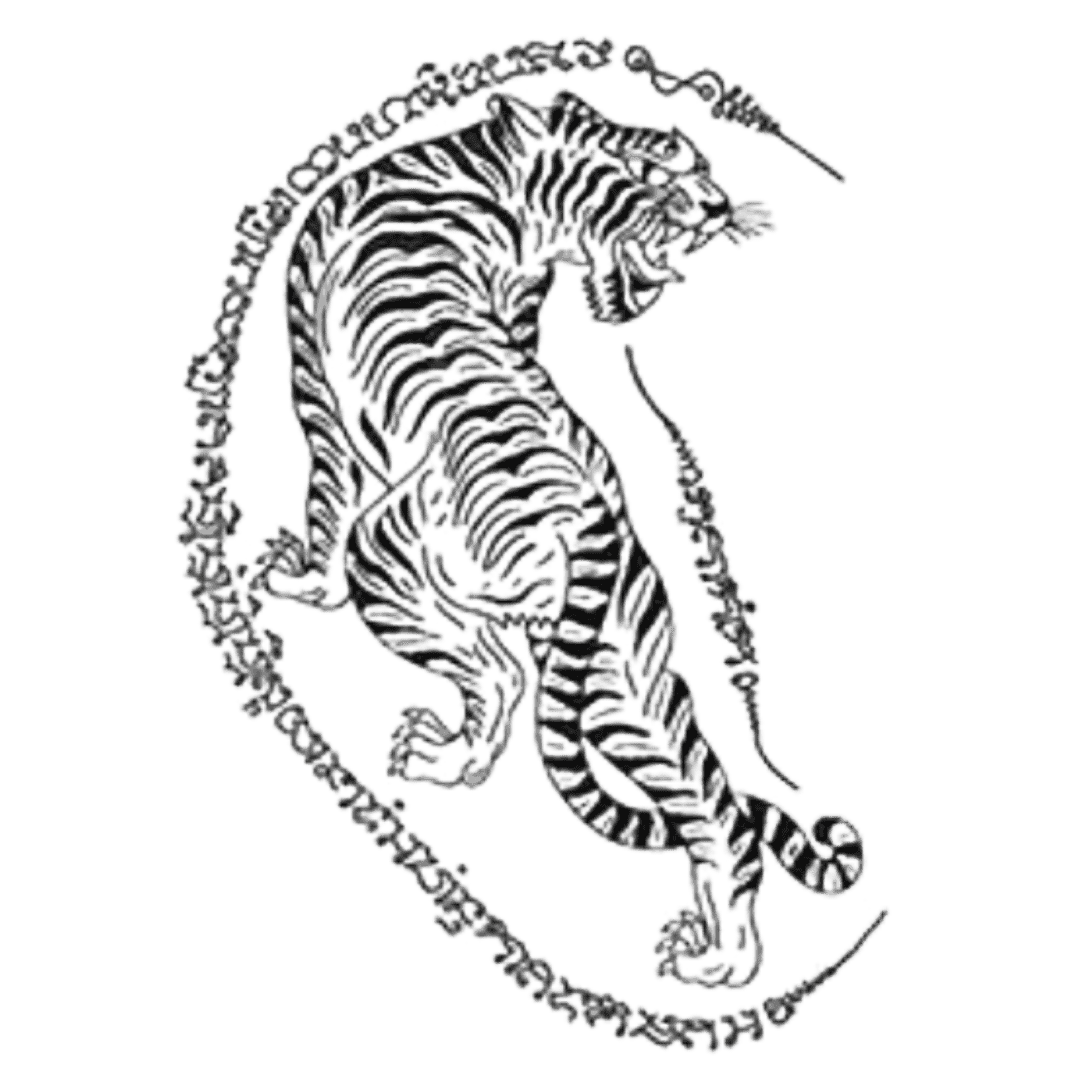
Sak Yant Designs and Their Meanings
Sak Yant designs are far more than decorative patterns. Each design is built from sacred symbols, ancient scripts, and geometric structures that carry specific meanings, intentions, and spiritual purposes. Traditionally, Sak Yants are selected based on the individual’s goals, character, and life circumstances rather than purely on appearance.
While many Sak Yants share common visual elements, their meanings can vary depending on the arrangement of the yantra, the mantras used, and the intention set during the blessing. This is why two tattoos that look similar may serve very different purposes.
Understanding Sak Yant Symbolism
Sak Yant designs typically combine three core elements:
Sacred Geometry
Geometric forms provide structure and balance to the design. They are believed to create spiritual order, stability, and protection, acting as a foundation for the mantras they contain.
Ancient Scripts and Mantras
Most Sak Yants include inscriptions written in Khmer, Pali, or ancient Thai script. These mantras are central to the tattoo’s purpose, often invoking protection, authority, attraction, or spiritual strength.
Symbolic Figures and Motifs
Animals, deities, and mythological figures are commonly used to represent specific qualities. For example, tigers are associated with power and authority, while geometric crowns and lines often relate to leadership, protection, and moral discipline.
Choosing the Right Sak Yant Design
Selecting a Sak Yant design is traditionally guided by intention rather than trends. Some designs are chosen for protection and stability, others for success, confidence, attraction, or spiritual grounding. Placement on the body also plays an important role, as certain designs follow traditional rules regarding position and orientation.
A knowledgeable practitioner or Ajarn will often advise on the most suitable design based on personal circumstances, intentions, and respect for tradition. This guidance helps ensure the Sak Yant aligns correctly with its intended purpose.
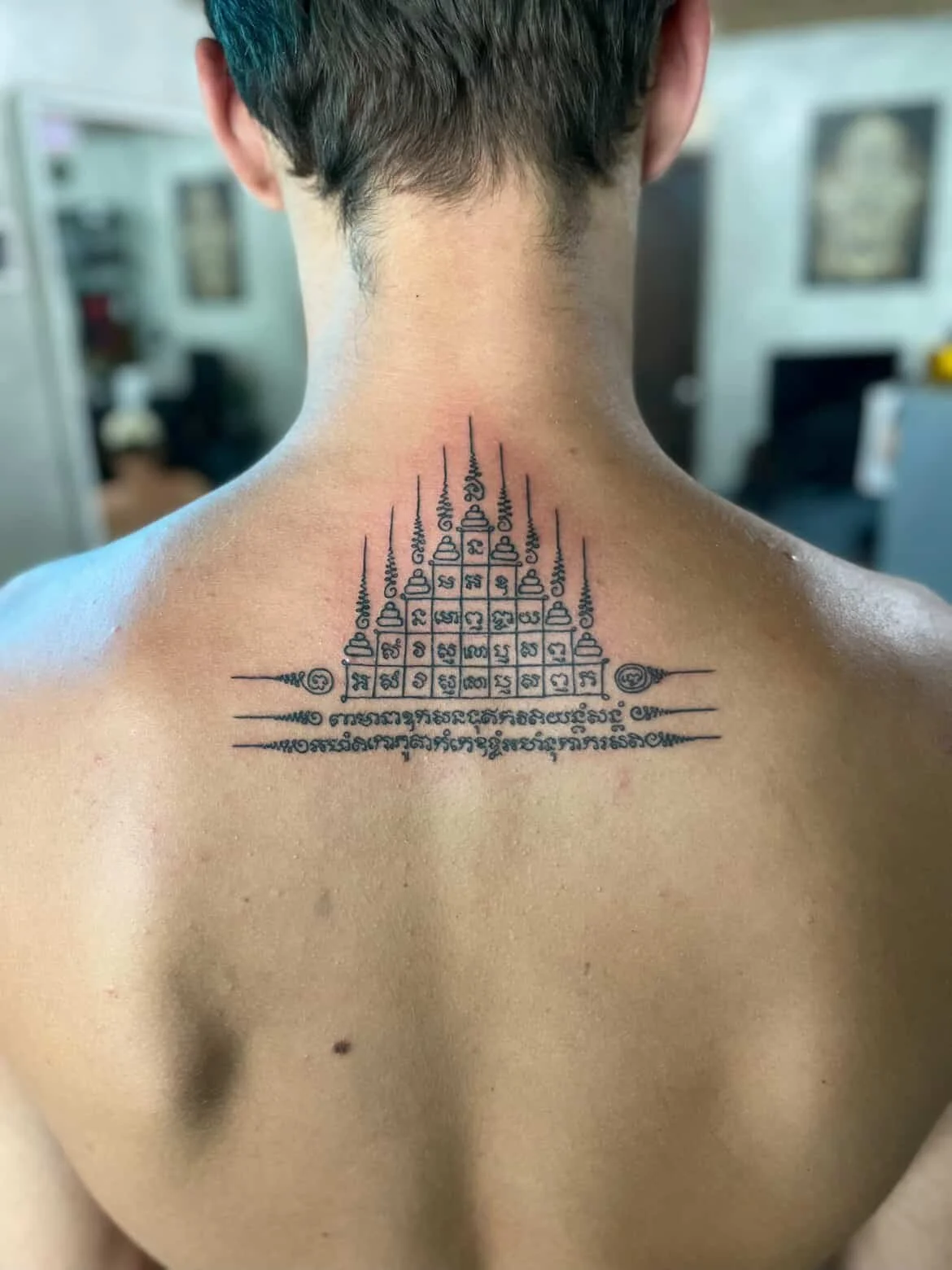
Gao Yord Sak Yant (ยันต์เก้ายอด)
The Gao Yord is one of the most important Sak Yant designs, representing spiritual authority, protection, discipline, and moral strength. Traditionally placed on the upper back, it is often the foundation for other Sak Yants.
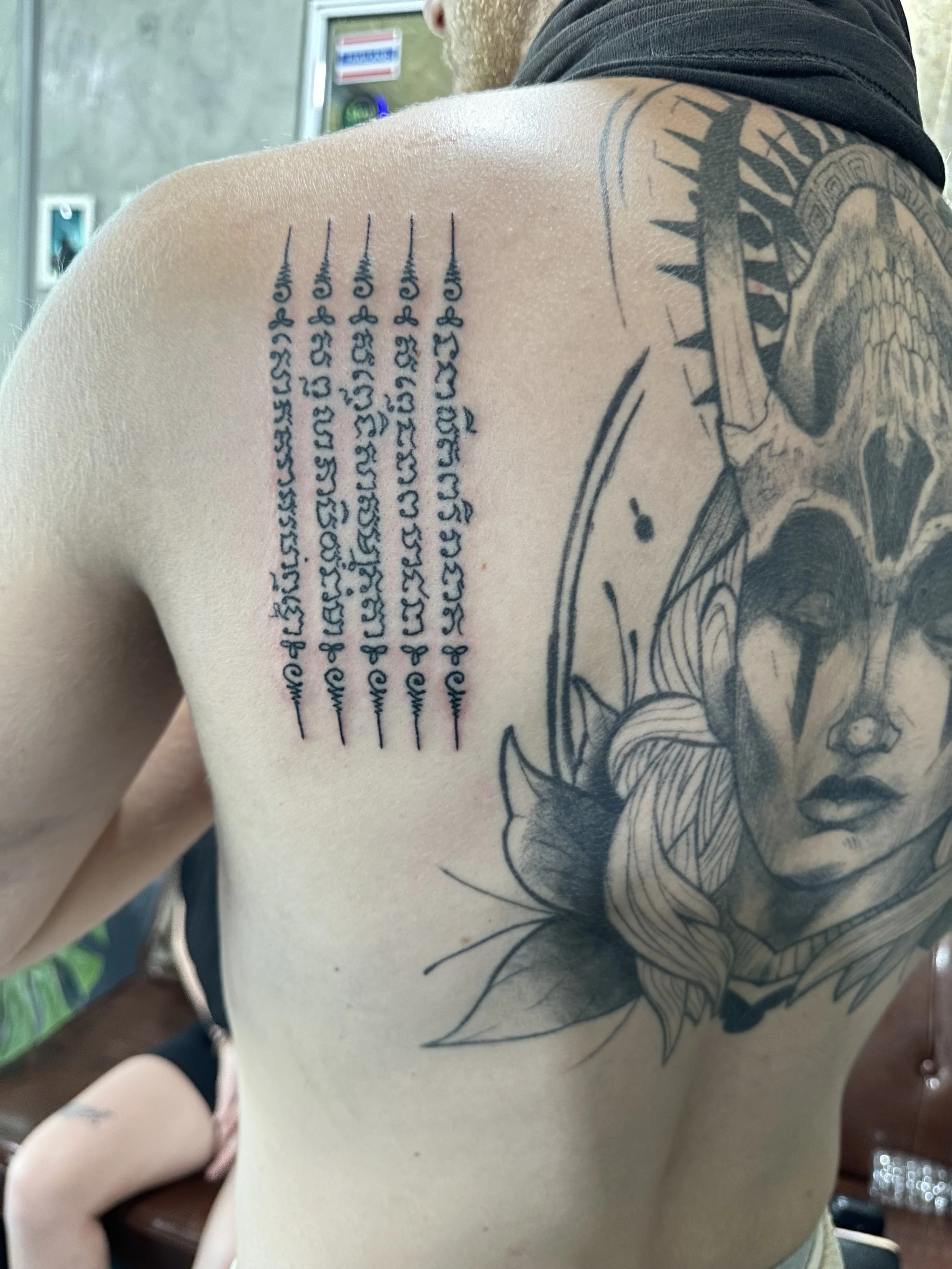
Hah Taew Sak Yant (ยันต์ห้าแถว)
The Hah Taew, or Five Lines Sak Yant, is one of the most iconic and widely practiced Sak Yant designs. Each of the five lines carries its own sacred blessing, with protection, removing negative influence, attracting good fortune, success, and spiritual balance.
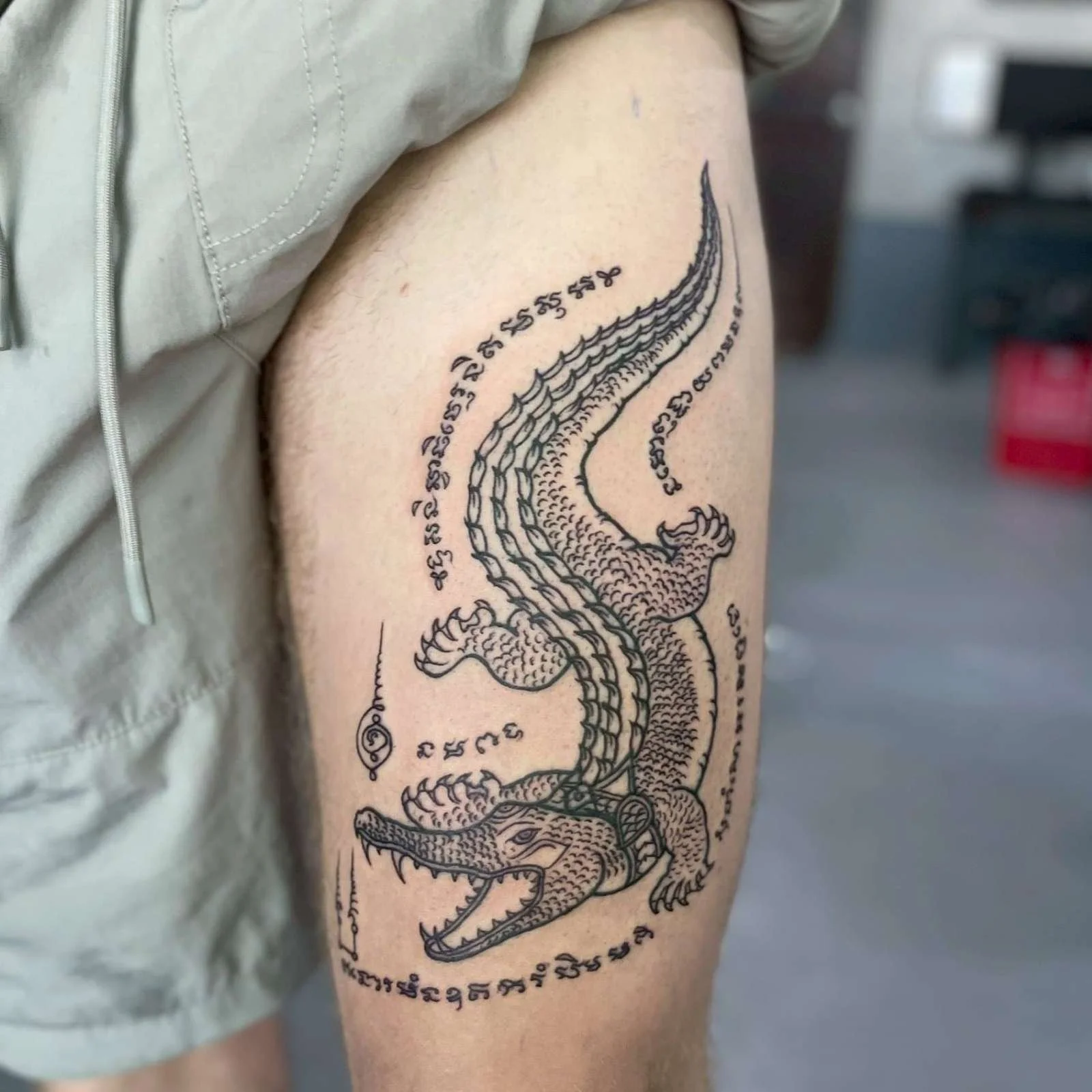
Crocodile Sak Yant (Jorakhae – ยันต์จระเข้)
The Crocodile Sak Yant represents raw power, authority, fearlessness, and survival. In traditional Sak Yant belief, the crocodile is a symbol of dominance and unwavering strength, respected for its patience, precision, and ability to strike decisively when required.
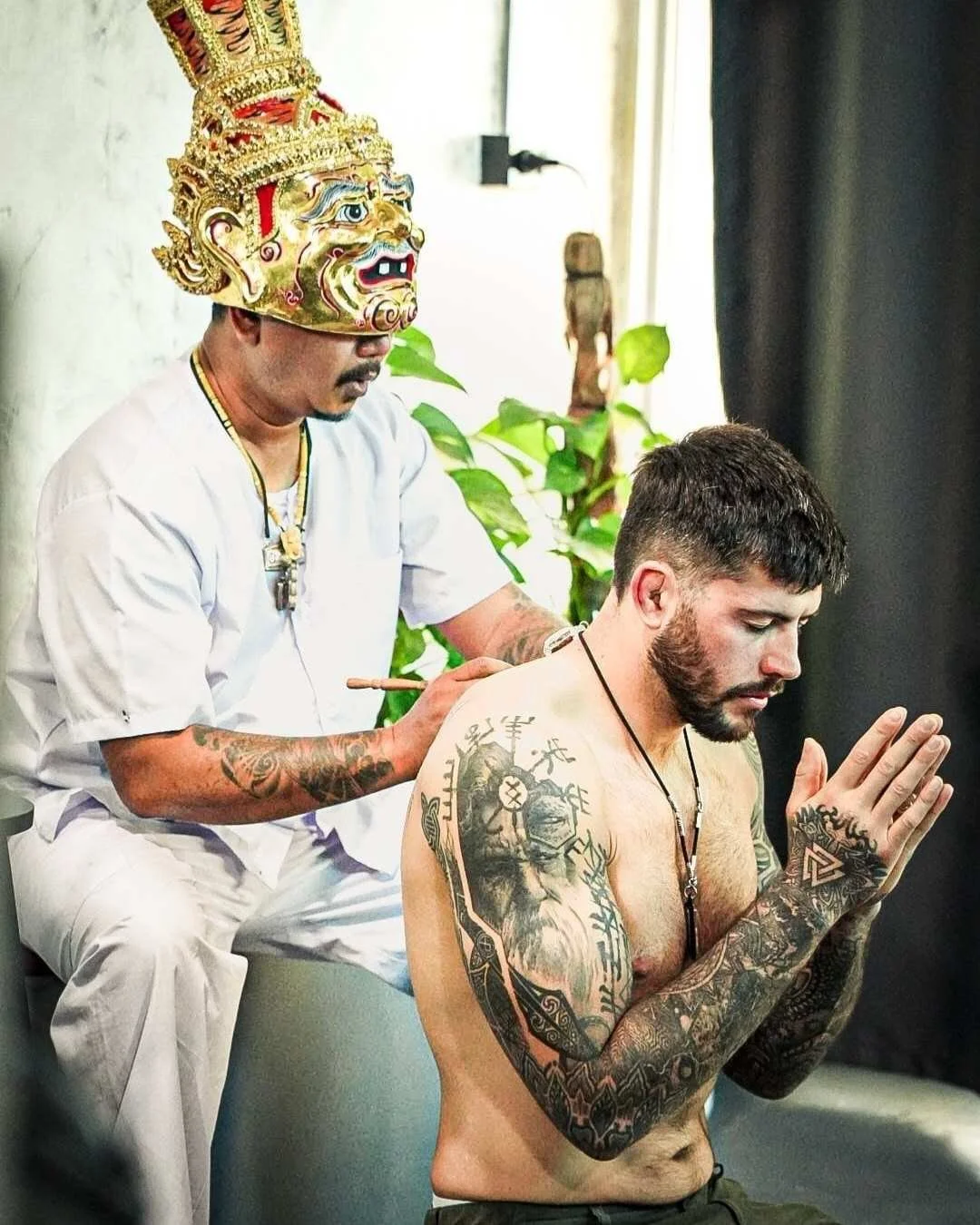
Sak Yant Blessings and Activation
Traditionally, a Sak Yant tattoo is not considered complete without a blessing. The blessing is performed by an Ajarn or monk and is believed to activate the Sak Yant, giving life to the sacred script and symbols.
During the blessing, specific chants (kata) are recited, focusing intention, protection, and guidance into the design. In traditional belief, the blessing connects the wearer to the spiritual purpose of the Sak Yant rather than the tattoo being purely decorative.
It is also believed that the strength of a Sak Yant depends on the conduct of the person wearing it. Respect for the tradition, personal discipline, and ethical behavior are considered important in maintaining the blessing over time.
Learn more about Sak Yant
Understanding Sak Yant history, meanings, and blessings helps ensure that each design is chosen with intention and respect. Whether you are exploring Sak Yant for cultural interest or considering receiving one yourself, learning the symbolism behind each Yant is an important first step.
-
Sak Yant (Yantra tattooing) dates back over 2,000 years, originating from ancient Thai tribes and the Khmer Empire. It is a sacred art form that blends elements of Buddhism, Hinduism, and animist traditions. Historically, these tattoos were used by warriors in Southeast Asia—particularly in Thailand and Cambodia—as "spiritual armor" to provide protection, strength, and invisibility during battle.
-
The term is derived from two words: "Sak," which means "to tap" or "to tattoo," and "Yant," derived from the Sanskrit word Yantra, meaning a mystical diagram or sacred design. Together, they represent a "sacred tattoo" that is believed to bestow magical powers or protection upon the wearer.
-
In Muay Thai culture, Sak Yant is deeply revered. Historically, fighters and soldiers (Nak Muay) received these tattoos to enhance their physical prowess, mental fortitude, and resilience. Modern fighters often wear designs like the Twin Tigersor Hanuman to channel the spirit of these powerful entities, seeking protection from injury and a psychological edge over their opponents.
-
Authentic Sak Yant tattoos are traditionally performed by Buddhist monks or Ajarns (spiritual masters). These practitioners are trained not only in the art of hand-poking but also in sacred geometry and the ancient Pali or Khom scripts. The spiritual power of the tattoo is believed to come from the Master’s lineage and the specific blessing (Katha) recited during the process.
-
Gao Yord (9 Spires): Represents the nine peaks of Mount Meru; considered a universal "master" Yant for protection and good luck.
Hah Taew (5 Lines): Each line carries a different blessing—from protection against injustice and bad spirits to attracting success and charisma.
Twin Tigers (Seuu Koo): Symbolizes power, authority, and fearlessness; highly popular among Muay Thai fighters and those in leadership positions.
Hanuman: Represents the Hindu Monkey God, symbolizing bravery, devotion, and invulnerability.
-
Yes. Because Sak Yant is a sacred religious practice, the wearer is expected to follow ethical guidelines to keep the "magic" of the tattoo alive. Common rules include:
Do not kill or harm others.
Do not steal.
Do not lie or speak ill of others (especially parents).
Avoid excessive intoxication.
Be a person of virtue and honor.
-
While the ink is permanent, many believe the spiritual energy must be "recharged." This is often done through annual ceremonies (Wai Khru) where devotees return to their Master or a temple to pay respect and have their tattoos re-blessed.