
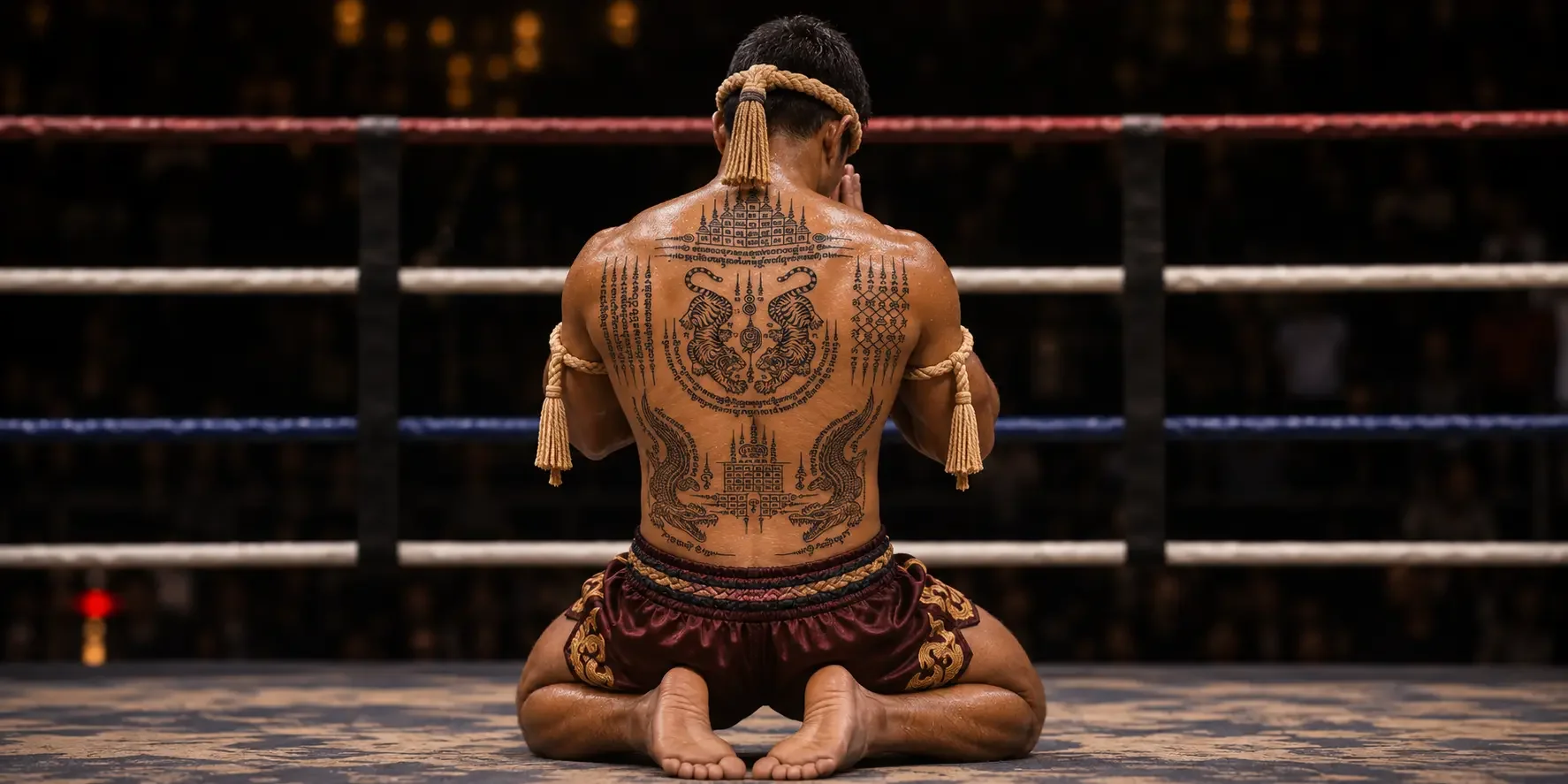
Sak Yant Meaning
Traditional Thai Sacred Tattoos Explained
Explore the symbolism, spiritual significance and traditional blessings behind 11 Sak Yant designs, from Gao Yord and Hah Taew to Paed Tidt and Twin Tigers.
What is Sank Yant?
Sak Yant (สักยันต์) tattoos are traditional Thai sacred tattoos created using ancient yantra designs, Pali and Khmer script, and symbolic imagery. Each Sak Yant carries a specific meaning and purpose, traditionally believed to offer protection, guidance, strength, authority, or spiritual grounding.
The word “Sak” means tattoo, while “Yant” refers to a sacred geometric diagram or spiritual formula. Together, Sak Yant represents the tattooing of sacred symbols that follow strict traditional structures passed down for centuries.
Historically, Sak Yant tattoos were applied by monks and Ajarns to warriors, monks, and laypeople seeking spiritual discipline or protection. Today, Sak Yants are most commonly performed in professional tattoo studios by experienced Ajarns or artists, using either traditional bamboo or modern machine methods, while preserving the original meaning and structure of each design.
This page serves as a reference guide to the meanings, symbolism, and traditional understanding of Sak Yant tattoos.
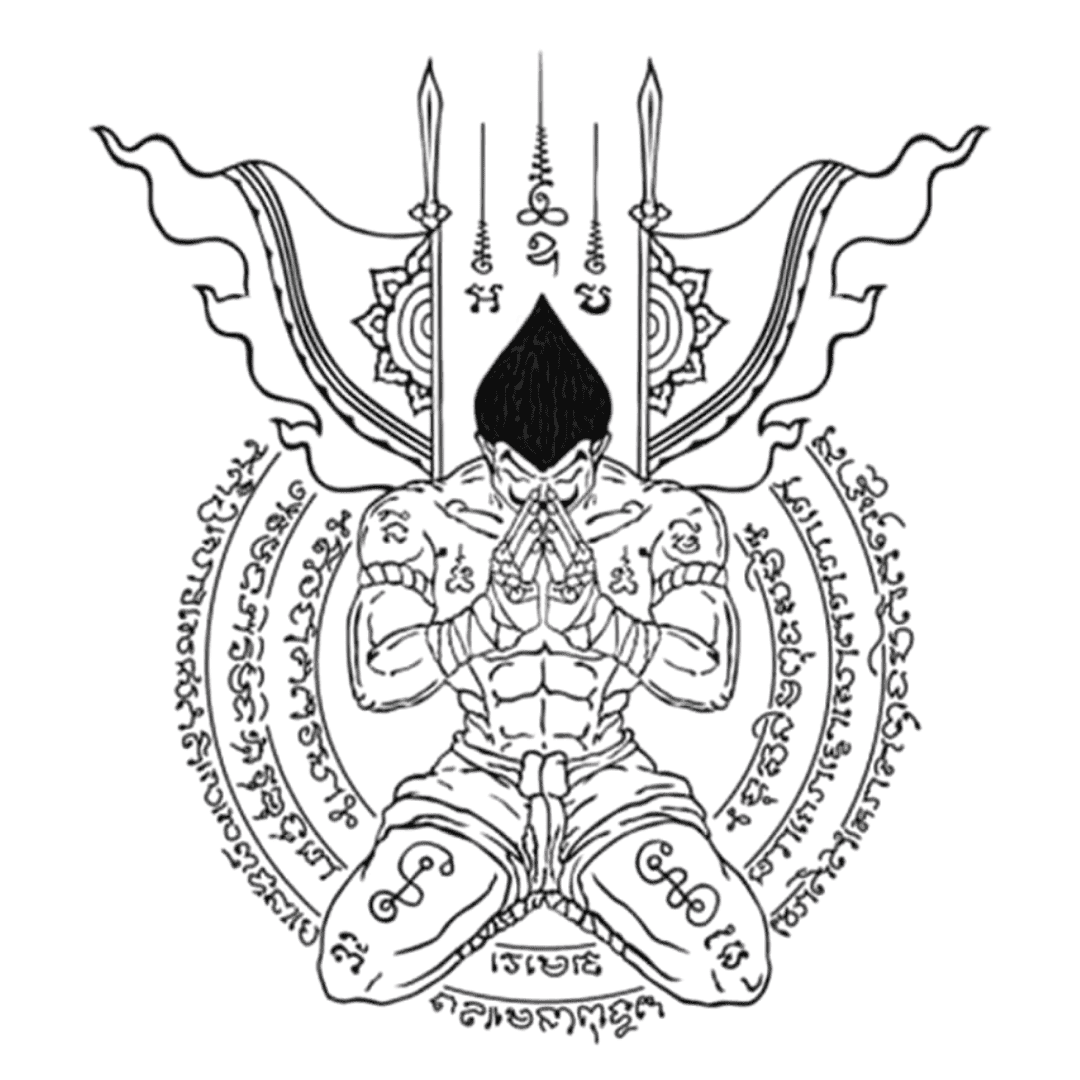
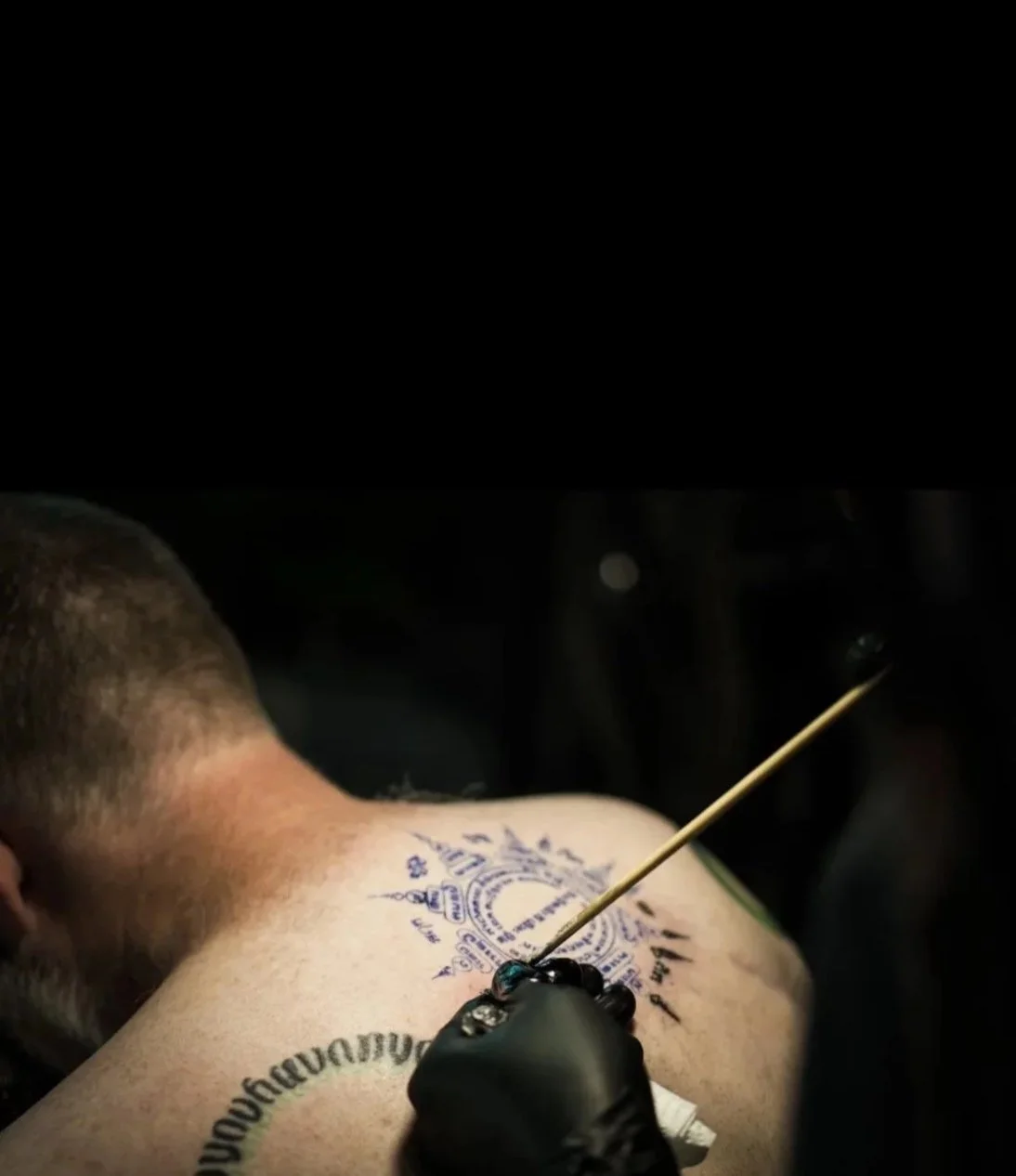

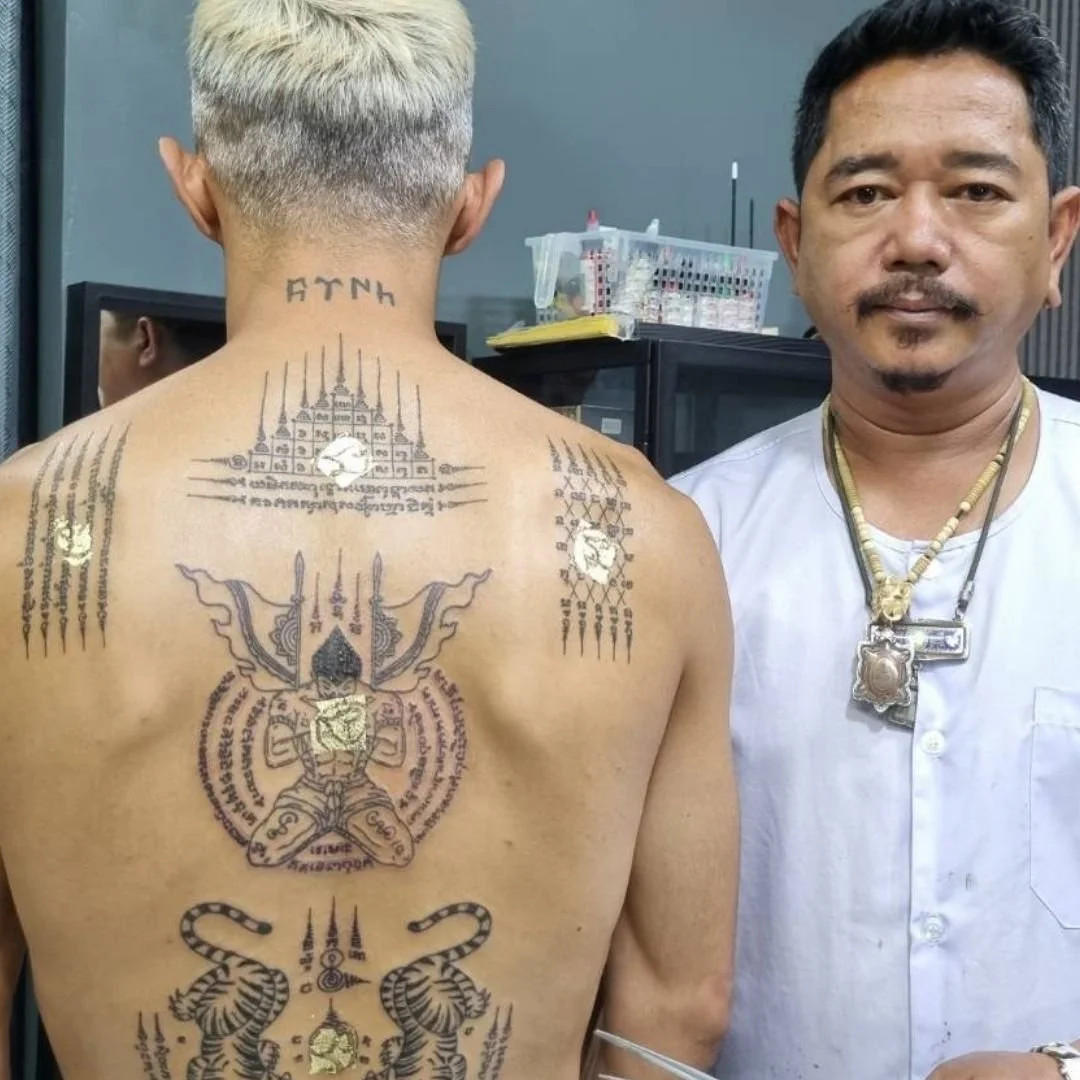
Sak Yant: Spiritual Discipline, Intention, and Responsibility
Sak Yant tattoos are rooted in spiritual discipline rather than superstition. While early yantra traditions in Southeast Asia predate Buddhism, Sak Yant practice in Thailand evolved into a system guided by Buddhist ethics, intention, and personal responsibility.
Rather than promising supernatural power or invincibility, Sak Yants are traditionally understood as supports for moral conduct, mental focus, and spiritual protection. The effectiveness of a Sak Yant is believed to depend on the behavior and discipline of the wearer, including respect for others, self-control, and ethical living.
Each Sak Yant is associated with specific qualities — such as protection, stability, authority, compassion, or restraint — and is traditionally activated through a blessing that reinforces intention rather than force.
Historically, Sak Yants were worn by warriors and officials, but their purpose was not domination over others. Instead, they served as reminders of duty, courage, and restraint in times of responsibility or danger.
Today, Sak Yant tattoos continue to be chosen by individuals seeking grounding, protection, and clarity during important phases of life, rather than mystical guarantees or spectacle.

Is a Sak Yant Right for You?
In recent years, Sak Yant tattoos have gained recognition far beyond Thailand, drawing people from around the world who travel specifically to receive them in their place of origin. For many, this journey is not about trends or aesthetics, but about engaging with a living spiritual and cultural tradition.
Choosing to receive a Sak Yant is a personal decision that should be guided by intention, respect, and self-reflection. Unlike conventional tattoos, Sak Yants are rooted in belief systems that emphasize meaning, conduct, and spiritual alignment. People are drawn to Sak Yant tattoos for several key reasons:
Spiritual Connection
Sak Yant tattoos are grounded in ancient spiritual practices that combine sacred geometry, mantras, and blessings. For those seeking protection, guidance, or inner balance, a Sak Yant can act as a symbolic commitment to spiritual discipline and personal growth.
Cultural Respect and Appreciation
Many individuals choose Sak Yant as a way to engage with Thai culture and history in a meaningful way. When approached with humility and understanding, receiving a Sak Yant can be an expression of respect for traditions that have been preserved for centuries.
Personal Intention and Meaning
Each Sak Yant design carries specific purposes, such as protection, strength, success, authority, or harmony. Selecting a Yant that aligns with one’s values or life path gives the tattoo personal significance beyond its visual form.
A Meaningful Marker of Experience
For some visitors to Thailand, a Sak Yant becomes a lasting reminder of a transformative period or journey. Rather than a souvenir in the conventional sense, it represents an experience tied to intention, memory, and respect for the tradition behind it.
Sak Yant Designs and Their Meanings
Sak Yant designs are far more than decorative patterns. Each design is built from sacred symbols, ancient scripts, and geometric structures that carry specific meanings, intentions, and spiritual purposes. Traditionally, Sak Yants are selected based on the individual’s goals, character, and life circumstances rather than purely on appearance.
While many Sak Yants share common visual elements, their meanings can vary depending on the arrangement of the yantra, the mantras used, and the intention set during the blessing. This is why two tattoos that look similar may serve very different purposes.
Understanding Sak Yant Symbolism
Sak Yant designs typically combine three core elements:
Sacred Geometry
Geometric forms provide structure and balance to the design. They are believed to create spiritual order, stability, and protection, acting as a foundation for the mantras they contain.
Ancient Scripts and Mantras
Most Sak Yants include inscriptions written in Khmer, Pali, or ancient Thai script. These mantras are central to the tattoo’s purpose, often invoking protection, authority, attraction, or spiritual strength.
Symbolic Figures and Motifs
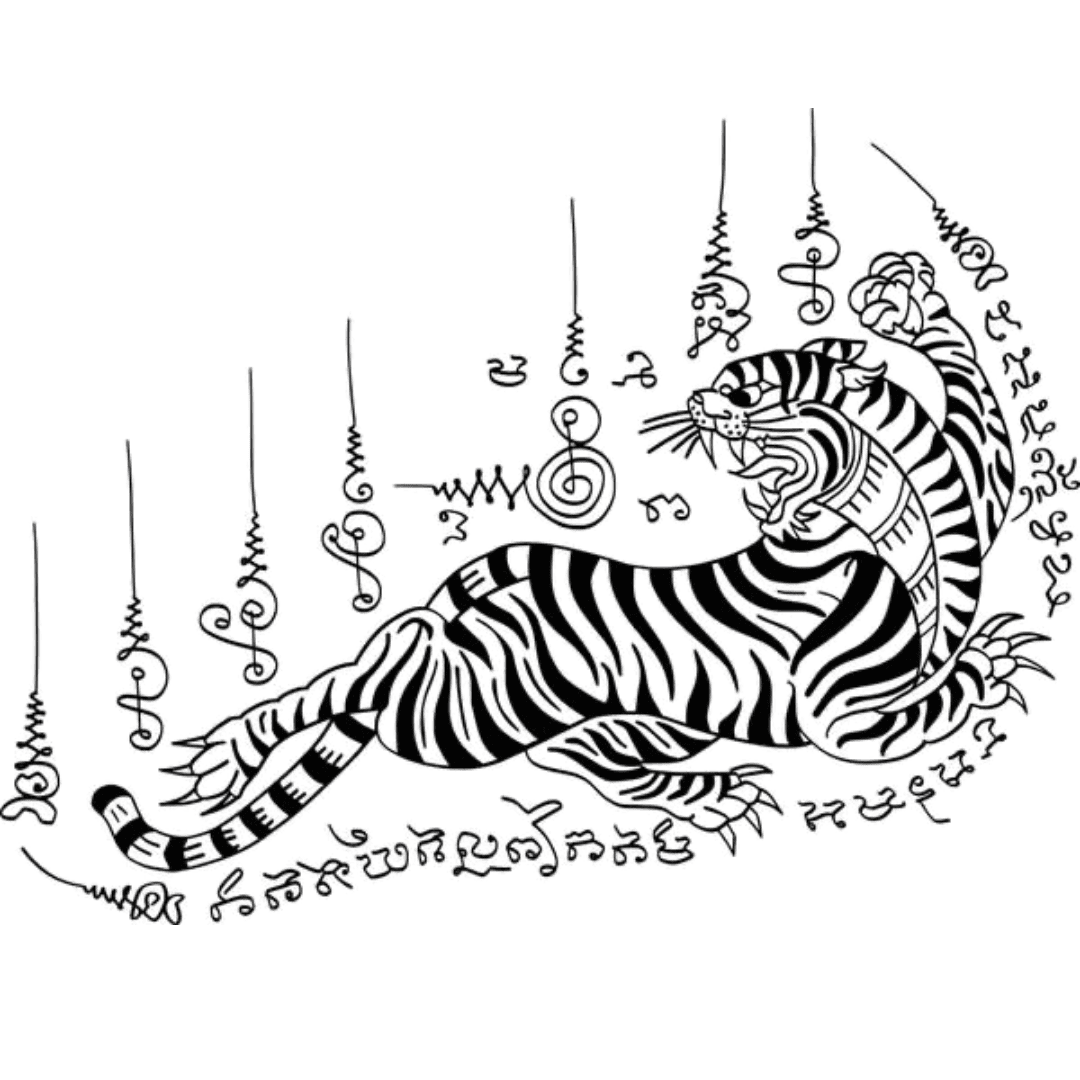
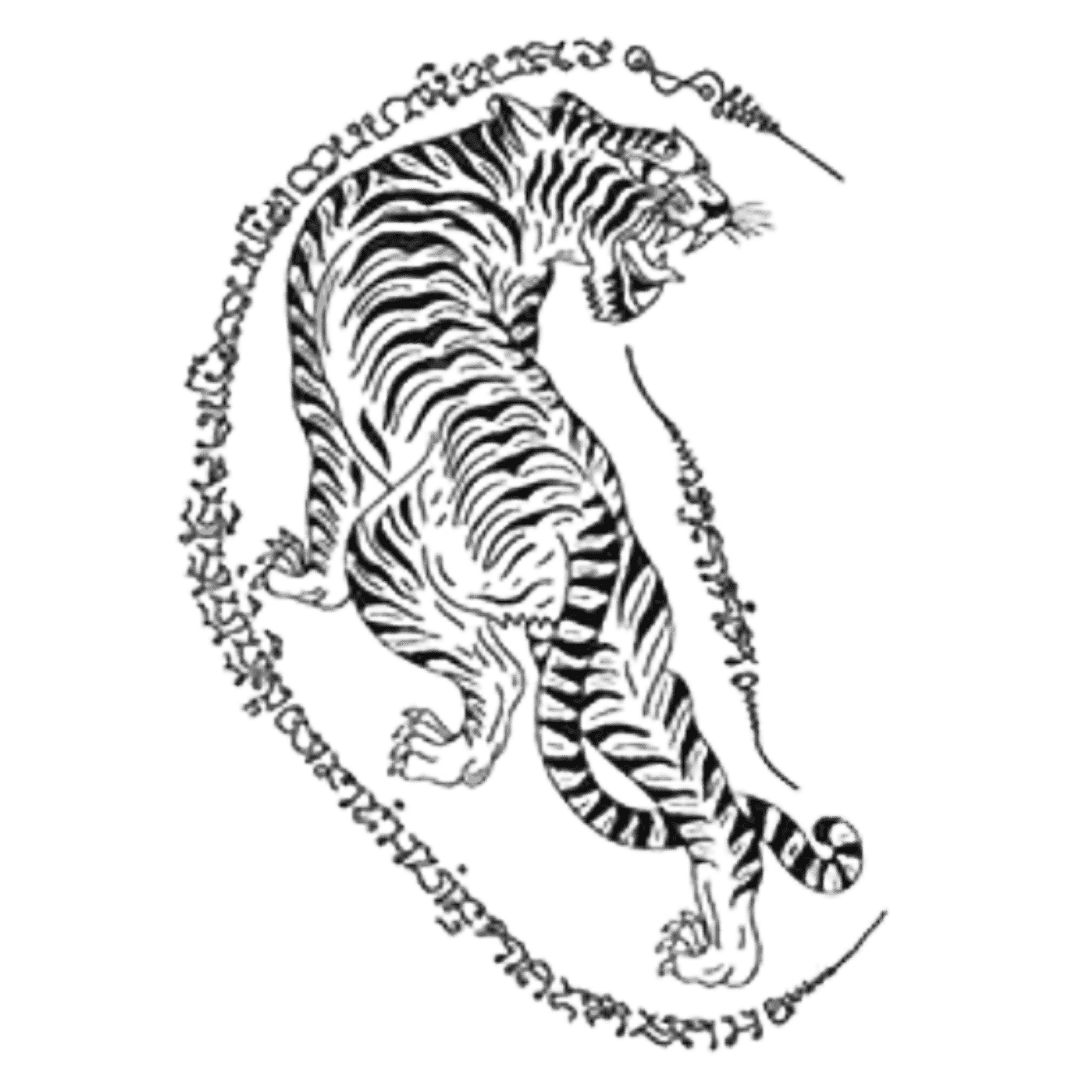
Animals, deities, and mythological figures are commonly used to represent specific qualities. For example, tigers are associated with power and authority, while geometric crowns and lines often relate to leadership, protection, and moral discipline.
Choosing the Right Sak Yant Design
Selecting a Sak Yant design is traditionally guided by intention rather than trends. Some designs are chosen for protection and stability, others for success, confidence, attraction, or spiritual grounding. Placement on the body also plays an important role, as certain designs follow traditional rules regarding position and orientation.
A knowledgeable practitioner or Ajarn will often advise on the most suitable design based on personal circumstances, intentions, and respect for tradition. This guidance helps ensure the Sak Yant aligns correctly with its intended purpose.

Nai Khanom Tom Sak Yant: Meaning of the Muay Thai Sak Yant
Discover the powerful meaning behind the Nai Khanom Tom Sak Yant, the ultimate symbol for Muay Thai fighters. Learn about the legendary "Father of Muay Thai," the spiritual protection of the warrior lineage, and why this sacred "High Yant" must always be placed above the waist!

Paed Tidt Sak Yant: The Meaning of the Compass Sak Yant
Discover the authentic meaning, 8-direction protection, traditional rules of the Paed Tidt Sak Yant. Learn why this sacred design is favored by fighters and travelers at Fighter’s Ink.

Chat Phet Sak Yant: The Meaning of the Diamond Armour Tattoo
Discover the profound meaning of the Diamond Armour (Chat Phet) Sak Yant. Explore its ancient symbolism, traditional placement rules, and the spiritual protection it offers to its bearer.

Lotus Flower Sak Yant (Dok Bua Nam Chok) Meaning
Learn the meaning of the Lotus Flower Sak Yant (Dok But Nam Chok), its symbolism, traditional placement rules, and who it is traditionally for.

Gao Yord Sak Yant Meaning & Symbolism | Phuket
Discover the powerful Gao Yord Sak Yant: symbolizing spiritual authority, protection, balance, and moral strength. Book your transformational tattoo now.

Crocodile Sak Yant Meaning (Jorakae) | Phuket
Learn the meaning of the Crocodile Sak Yant (Yant Jorakae), its symbolism, traditional placement rules, and who it is traditionally for.

Gecko Sak Yant Meaning (Jingjok Keow) | Phuket
Learn the meaning of the Gecko Sak Yant (Jingjok Keow), its symbolism, traditional placement rules, and who it is traditionally for.

Tiger Looking Backwards Sak Yant Meaning (Suea Liao Lang)
Learn the meaning of the Tiger Looking Backwards Sak Yant (Suea Liao Lang), its symbolism, traditional placement rules, and who it is traditionally for.

Hah Taew Sak Yant Meaning (Five Lines Sak Yant)
Learn the meaning of the Hah Taew Sak Yant (Five Lines), its symbolism, traditional placement rules, and who it is traditionally for.

Mermaid Sak Yant (Nang Nguek) - Meaning & Traditional Use
Learn the meaning of the Mermaid Sak Yant (Nang Nguek), its symbolism, traditional placement rules, and who it is traditionally for.

Suea Koo (Twin Tigers) Sak Yant Meaning | Phuket
(Twin Tigers) Suea Koo Sak Yant is a powerful Thai Tattoo that symbolises protection, authority, courage, and leadership.
Learn its traditional meaning, spiritual significance, and who this Sak Yant is best suited for.
Fighters Ink: Sak Yant Tattoo
Fighters Ink Tattoo Studio is a professional tattoo shop with two studios in Phuket, Thailand: Karon and Bangtao. We specialize in authentic traditional Sak Yant tattoos, bamboo tattoos, and modern machine tattoos, welcoming locals and visitors looking for authentic, high-quality tattoo work in Phuket.
Studio in Karon, Phuket
389 Patak Rd, Karon, Mueang Phuket District, Phuket 83100 Thailand
Just minutes away from Karon Beach, Kata Beach, and Karon Temple.
Studio in Bangtao, Phuket
131, 48 Moo 4, Tambon Srisoonthorn, Thalang District,
Phuket 83110 Thailand
Just minutes away from Boat Avenue, Laguna Phuket and Porto de Phuket
Parking: Dedicated motorbike and car parking available on site.
Sak Yant Blessings and Activation
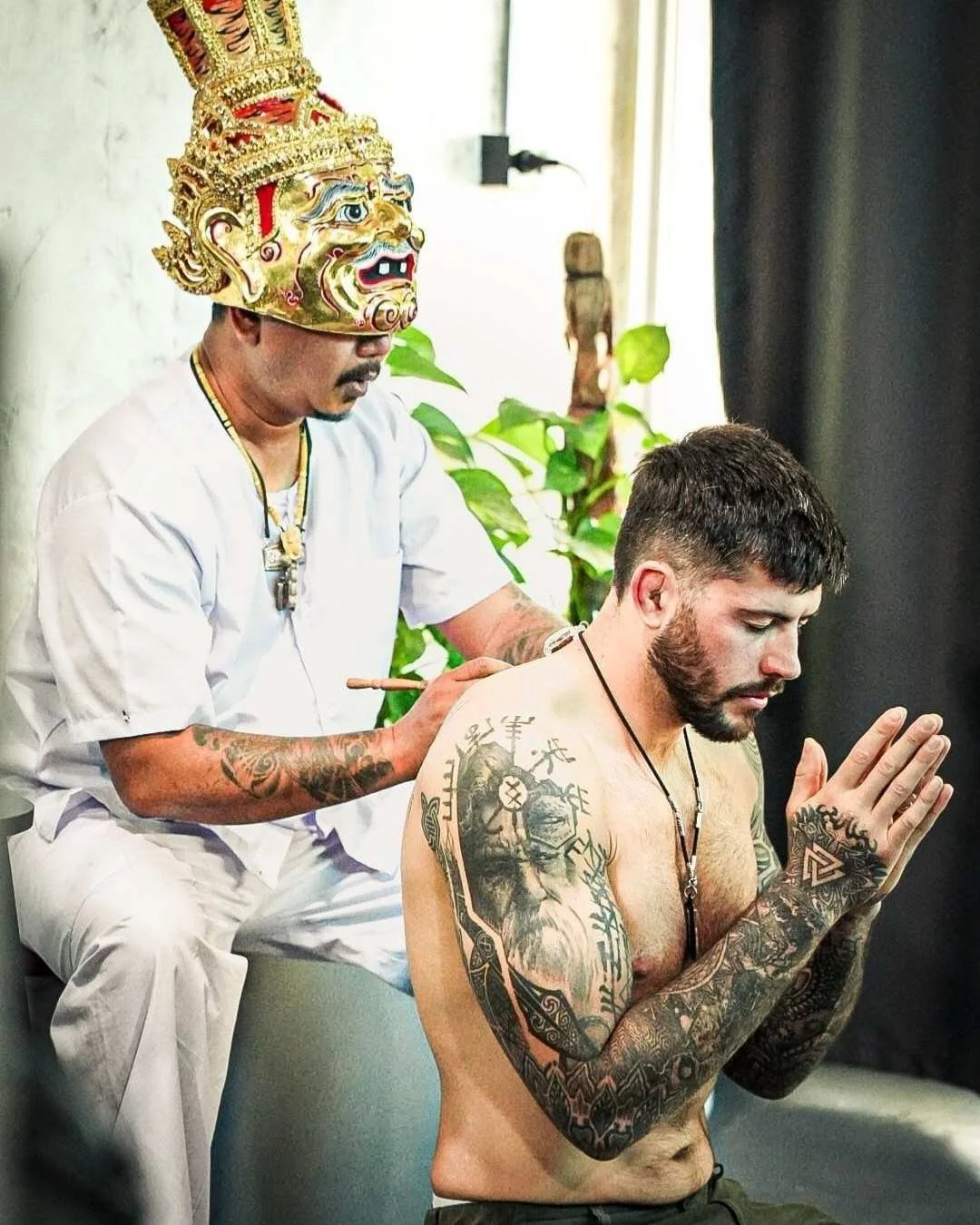
Traditionally, a Sak Yant tattoo is not considered complete without a blessing. The blessing is performed by an Ajarn or monk and is believed to activate the Sak Yant, giving life to the sacred script and symbols.
During the blessing, specific chants (kata) are recited, focusing intention, protection, and guidance into the design. In traditional belief, the blessing connects the wearer to the spiritual purpose of the Sak Yant rather than the tattoo being purely decorative.
It is also believed that the strength of a Sak Yant depends on the conduct of the person wearing it. Respect for the tradition, personal discipline, and ethical behavior are considered important in maintaining the blessing over time.
Learn more about Sak Yant
Understanding Sak Yant history, meanings, and blessings helps ensure that each design is chosen with intention and respect. Whether you are exploring Sak Yant for cultural interest or considering receiving one yourself, learning the symbolism behind each Yant is an important first step.
-
A Sak Yant tattoo is a traditional Thai sacred tattoo featuring geometric patterns, spiritual symbols, and sacred inscriptions. The word Sak (สัก) means "to tattoo," while Yant (ยันต์) refers to a sacred diagram or yantra.
The Sak Yant meaning depends on the specific design, with different tattoos traditionally associated with protection, strength, good fortune, authority, and spiritual guidance.
Rooted in Thai Buddhist and regional spiritual traditions, Sak Yant tattoos have been passed down through generations by monks and Ajarns (traditional masters). Each design carries its own symbolism, making Sak Yant more than decorative body art.
-
The most popular Sak Yant tattoo designs include Hah Taew (Five Lines), Gao Yord (Nine Peaks), Paed Tidt (Eight Directions), tiger Sak Yant, and Hanuman Sak Yant.
Each design has a distinct traditional meaning:
Hah Taew: Five sacred lines traditionally associated with protection, good fortune, success, and personal blessings.
Gao Yord: Nine sacred peaks symbolizing spiritual protection, authority, and blessings.
Paed Tidt: Eight directional inscriptions traditionally associated with protection during travel and movement.
Tiger Sak Yant: Represents strength, courage, confidence, and authority.
Hanuman Sak Yant: Associated with bravery, loyalty, perseverance, and protection.
Other popular designs include dragon, Naga, lotus, and elephant Sak Yant tattoos, each carrying its own spiritual and cultural significance.
-
The best Sak Yant tattoo for protection depends on the qualities and blessings you wish to emphasize.
Gao Yord is traditionally associated with powerful spiritual protection and authority, while Hah Taew is often chosen for its combination of protective blessings and good fortune.
For strength and courage, the tiger Sak Yant and Hanuman Sak Yant are popular choices. Those seeking protection while travelling may prefer Paed Tidt, which represents the eight directions.
Traditional beliefs vary between Ajarns and lineages, so choosing a Sak Yant should involve understanding its symbolism rather than assuming one design guarantees a particular outcome.
-
The Hah Taew, Gao Yord, and Paed Tidt Sak Yant tattoos are among Thailand's most recognizable traditional sacred tattoo designs.
Hah Taew (Five Lines Sak Yant) features five vertical lines of sacred script. Each line carries a traditional blessing, commonly associated with protection from misfortune, attracting good fortune, and supporting success in life. The precise interpretation can vary according to the Ajarn and tattooing tradition.
Gao Yord (Nine Peaks Sak Yant) features nine sacred peaks, often arranged above geometric patterns and inscriptions. It is traditionally associated with spiritual protection, authority, and blessings.
Paed Tidt (Eight Directions Sak Yant) features sacred inscriptions arranged around eight directions. It is believed to offer protection wherever the wearer travels.
Although all three designs have protective associations, their symbolism, appearance, and traditional purposes differ.
-
Traditional Sak Yant tattoo rules are ethical and spiritual guidelines associated with receiving and maintaining a sacred tattoo.
Depending on the Ajarn and lineage, these rules may emphasize:
Respecting parents, teachers, monks, and spiritual traditions.
Avoiding deliberately harming or exploiting others.
Practising honesty and responsible behaviour.
Avoiding theft and serious misconduct.
Maintaining personal discipline and respecting the teachings associated with the tattoo.
Some traditions establish additional rules specific to particular Sak Yant designs or blessings.
These guidelines reflect the belief that a Sak Yant's spiritual significance is connected not only to the tattoo and blessing but also to how the wearer conducts their life.
-
Choosing the right Sak Yant tattoo design begins with understanding what each sacred symbol represents and identifying which meaning is most personally significant.
For example, someone seeking courage and determination may feel drawn to a tiger or Hanuman Sak Yant, while someone interested in spiritual protection may prefer Gao Yord or Hah Taew.
Consider the tattoo's traditional symbolism, placement, size, and the responsibilities associated with wearing a sacred design.
At Fighters Ink Phuket, our experienced Ajarns can explain the meanings behind different Sak Yant designs and help you choose a tattoo that aligns with your intentions while respecting traditional practices.
-
Sak Yant tattoo placement carries traditional and spiritual significance, with the appropriate location depending on the design, its sacred symbolism, and the teachings of the Ajarn (master).
The upper back, shoulders, chest, and arms are common locations for traditional Sak Yant tattoos. Gao Yord (Nine Peaks) is traditionally placed at the top of the back, just below the neck, while Hah Taew (Five Lines) is commonly tattooed on the shoulder blade. Tiger Sak Yant tattoos are often placed on the back, shoulders, or chest, representing strength, courage, and authority.
In many Sak Yant traditions, sacred inscriptions and religious imagery are placed on the upper body as a sign of respect. Certain designs may have placement restrictions, although these vary between Ajarns and spiritual lineages.
While placement can influence a tattoo's traditional significance, it does not necessarily change the fundamental meaning of the design. An experienced Ajarn can help you choose a suitable placement that respects the Sak Yant's symbolism and cultural traditions.